 Real Valladolid Hub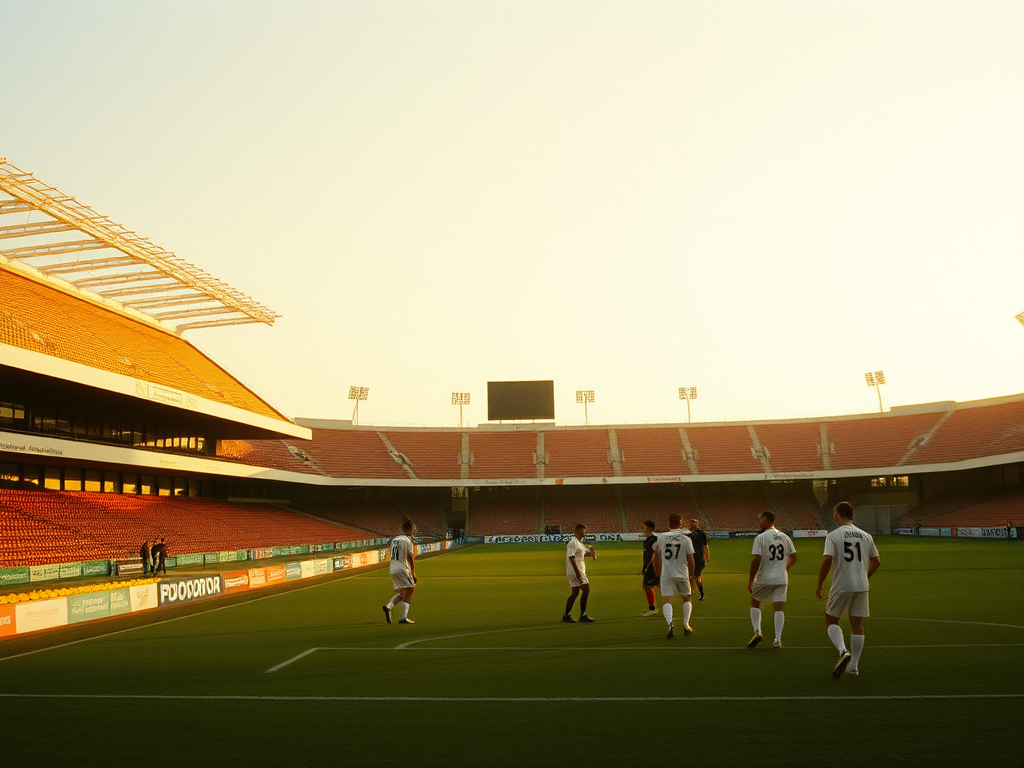
The 1980s were a defining period for Real Valladolid, one that not only solidified its status in Spanish football but also introduced the club to the exhilarating world of European competition. After a steady climb through the ranks of La Liga, Pucela found themselves competing against some of the best teams on the continent, showcasing their talent on an international stage.
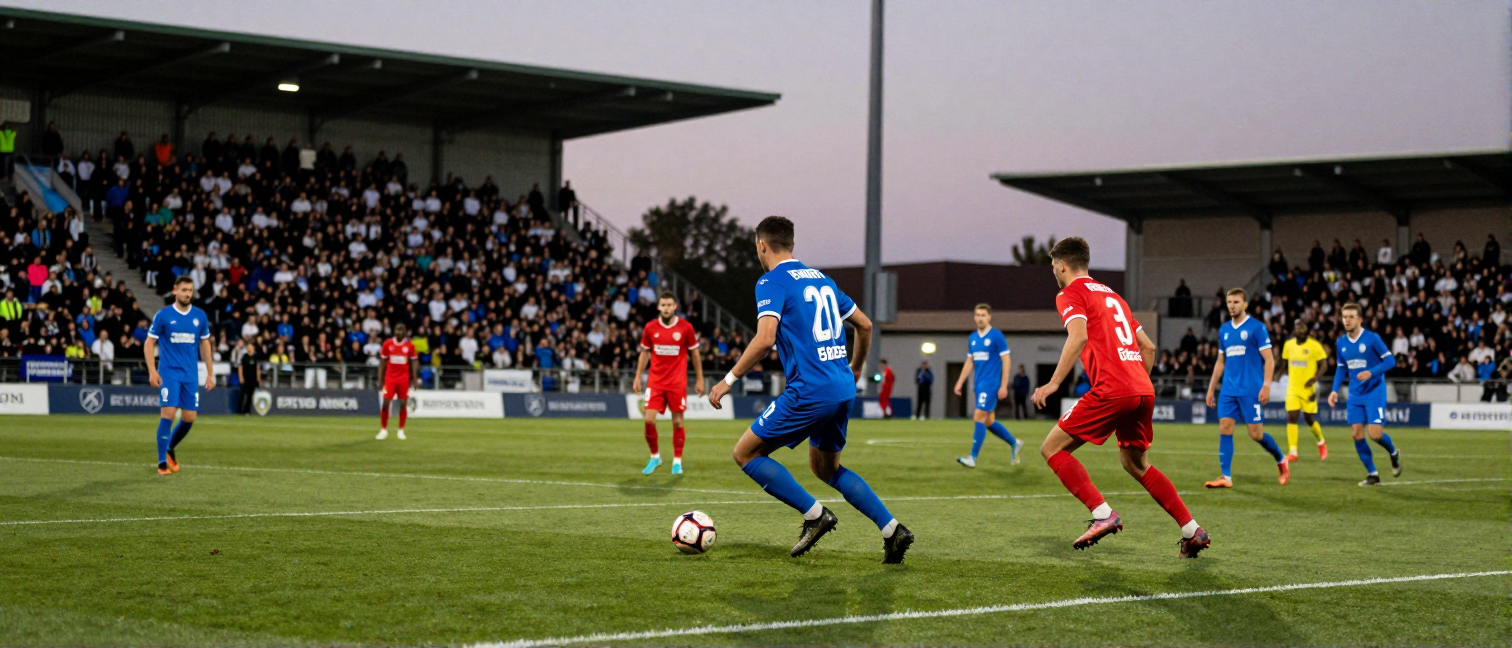
One of the standout moments during this era occurred in the 1984-85 season when Valladolid qualified for the UEFA Cup, the precursor to what we now know as the UEFA Europa League. This was no small feat, as the team finished the season in a commendable sixth position in La Liga, which granted them a spot in the prestigious tournament. The excitement surrounding the club was palpable, and fans flocked to the Estadio Municipal José Zorrilla, eager to witness their beloved Pucela take on European giants.
In their inaugural match in the UEFA Cup, Valladolid faced the formidable team of Sporting CP from Portugal. The atmosphere in the stadium was electric, with fans chanting and waving flags, creating a vibrant sea of purple and white. Though the match ended in a narrow defeat, the experience marked a significant milestone in the club's history, as it was the first time Pucela had competed on a European stage.
Valladolid’s journey in Europe was not just about the matches played but also about the camaraderie and spirit fostered among players and fans alike. Each game brought with it a new adventure, as followers of the club traveled across borders to support their team, forming a unified front that embodied the essence of Pucela. The bond between the players and supporters deepened, as they shared the highs and lows of each encounter.
The late 1980s saw Valladolid continue to build on their European experience, with the club managing to qualify for the UEFA Cup once again in the 1989-90 season. This time, they faced off against the Turkish side, Trabzonspor, in a two-legged tie. The anticipation was immense, as fans recalled the thrills of their previous European campaign. Though they were ultimately eliminated, the matches were a testament to the club's growing reputation and resilience.
The significance of these European outings extended beyond mere statistics; they were pivotal in shaping the identity of Real Valladolid. The experiences garnered on the international stage cultivated a sense of pride and ambition within the squad. Players began to see themselves not just as competitors in Spain, but as potential challengers on a larger scale. This ambition would influence the club's philosophy and approach in the years to come.
Reflecting on this period, it’s clear that the 1980s were a time when Real Valladolid began to carve out its niche in the annals of football history. The club's European adventures may not have brought home silverware, but they inspired generations of fans and players, igniting a passion for the beautiful game that endures today. As Pucela continues to navigate the complexities of modern football, the spirit of those European nights in the 1980s serves as a reminder of what can be achieved through determination and unity.