 Real Valladolid Hub
Tactical Adjustments to Regain Winning Form for Real Valladolid
As Real Valladolid finds themselves grappling with inconsistent results in the Segunda División, the urgency for tactical refinement becomes increasingly apparent. While the Pucela has displayed flashes of brilliance, the recent matches have highlighted some recurring issues that, if addressed, could significantly enhance their chances of climbing the league table.
Analyzing Recent Performances
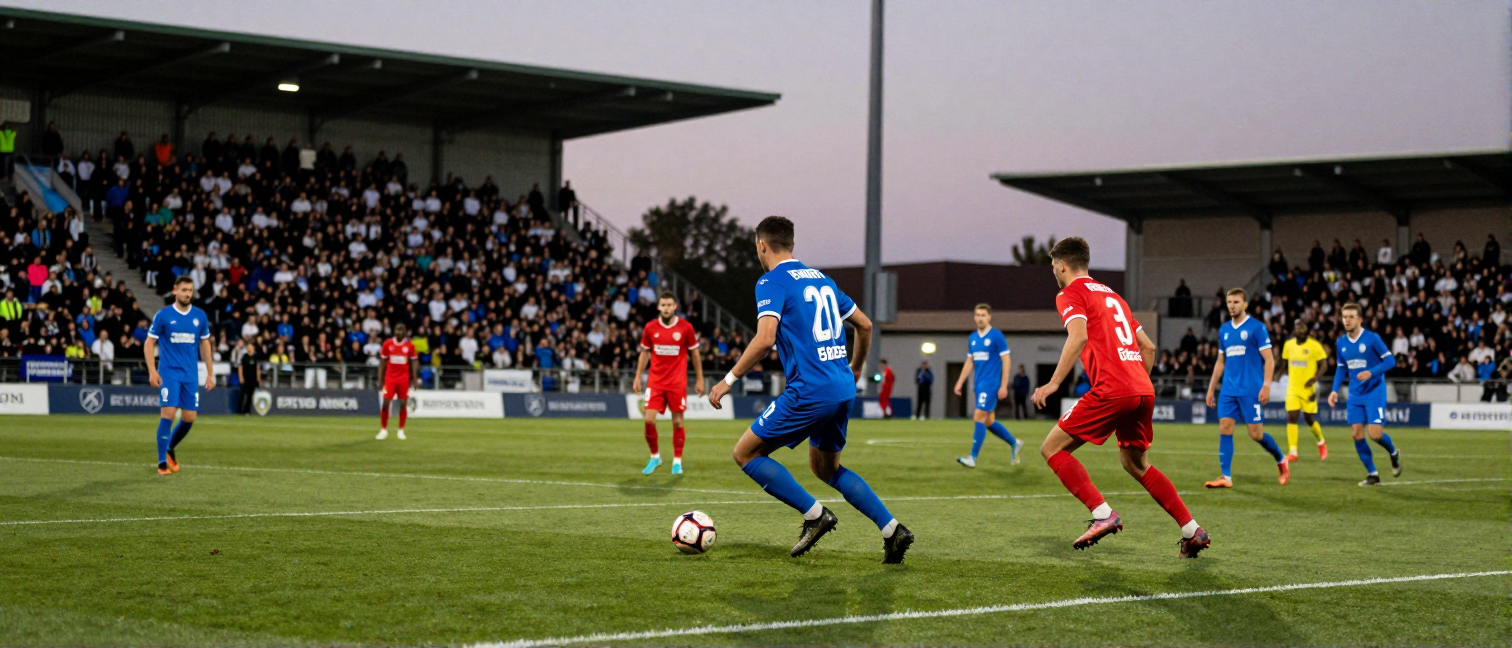
In the last few fixtures, Valladolid has struggled with maintaining possession and creating clear-cut chances. The midfield, often seen as the engine of the team, has faced challenges in transitioning from defense to attack. The reliance on long balls to bypass the midfield has led to a disjointed attack, as forwards often find themselves isolated and lacking support. This has been particularly evident in matches where the opposition has pressed high, forcing Valladolid into hurried decisions and uncharacteristic errors.
Moreover, the defensive line has shown vulnerabilities, especially during set-pieces and counter-attacks. Opponents have exploited gaps left by full-backs pushing forward, leaving the center-backs exposed. A more cohesive defensive strategy is essential to shore up these weaknesses and give the team a solid foundation to build upon.
Suggested Tactical Tweaks
1. Midfield Restructuring
One of the primary adjustments should be in the midfield configuration. Transitioning to a three-man midfield could provide more stability and control over the center of the pitch. By employing a dynamic trio, such as incorporating a deep-lying playmaker alongside two box-to-box midfielders, Valladolid can enhance their ability to retain possession and dictate the tempo of the game. This would not only alleviate pressure on the defense but also enable the forwards to receive the ball in more advantageous positions.
2. Full-Back Responsibilities
Adjusting the roles of the full-backs is another crucial tweak. While their attacking contributions are valuable, a more balanced approach would benefit the team as a whole. By instructing full-backs to prioritize defensive duties during transition phases, Valladolid can maintain a more compact shape, reducing the risk of counter-attacks. This could involve a more conservative approach in away matches or against teams known for their pace on the flanks.
3. Forward Support
To address the isolation of forwards, Valladolid should focus on creating more overlapping runs and dynamic movements off the ball. Encouraging wingers to cut inside and create space for overlapping full-backs could diversify the attacking options and make it harder for defenses to predict their movements. Additionally, integrating a second striker or an attacking midfielder into the front line during critical phases of the game could provide the necessary support to capitalize on scoring opportunities.
4. Set-Piece Organization
Given the vulnerabilities shown during set-pieces, a more structured approach to both attacking and defending these situations is warranted. This could involve dedicated training sessions focusing on set-piece routines, ensuring that players understand their roles and responsibilities. On defense, maintaining a tighter marking system and utilizing a zonal approach could help mitigate risks while attacking set-pieces could see a focus on creating mismatches against defenders.
Conclusion
As Real Valladolid looks to turn their season around, implementing these tactical adjustments could be pivotal in regaining form and confidence. With the right blend of stability, creativity, and cohesion, the Pucela can strive not just for survival in the Segunda División but also for a position that reflects their rich footballing heritage. The fans at Estadio Municipal José Zorrilla deserve a team that embodies the spirit of resilience and determination, and tactical refinement could be the key to unlocking that potential.